(Part One) Examples on Stowing Away the Back Story and Cleaning Up Information Dumps Which opening is better? This one? There once was a prince named Erasté in a faraway land called Trevelyan. His father, King Elián Ruelle, was a kind a gracious ruler, loved by all — all but one. Faeries dwelt in the […]
Writing Lesson 3.23_ Beginning with Theme in Mind
February 17, 2012 By Leave a Comment
I recently viewed a movie with a refreshingly brilliant script. Sadly I can’t recommend the movie by title because Hollywood felt compelled to add explicit scenes, but let me see if I can describe why the movie impressed me. The writer began with the theme in mind: “Communication is more about understanding each others’ hearts […]
Writing Lesson 3.5-A Quick Way to Draw in Your Readers
September 23, 2011 By Leave a Comment

A guest post by Sandra Orchard Details. Not a hundred of them listed ad nauseum, but key details unique to the POV character that are both fresh and rich in sensory information. Dig deep into the scene. Don’t just say your hero is wearing jeans and a t-shirt. Maybe his mom hung them on the […]
Writing Lesson 3.4-Empower Your Writing with these Simple Techniques
September 16, 2011 By Leave a Comment
A guest post by Sandra Orchard Do you scratch your head when someone tells you that you need to “show, not tell”? It’s the key to writing compelling commercial fiction, but an often difficult concept to grasp in all its nuances. Today I’m going to share with you some simple ways to… “Show” emotion without […]
Writing Lesson 2.26 – Descriptive Writing
March 18, 2011 By 1 Comment
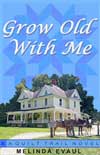
Readers of my book Grow Old With Me often comment about my descriptive writing style. I love to pull the reader into the scene and the story world by showing them what my characters experience. Benjamin looked over the valley as he retrieved tools from the back of his truck. That gets the message across. […]